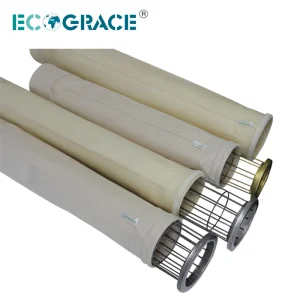
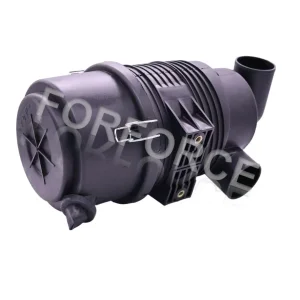
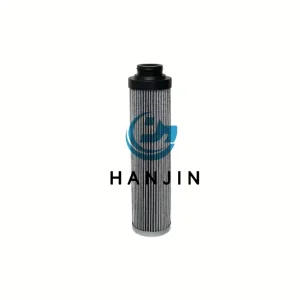
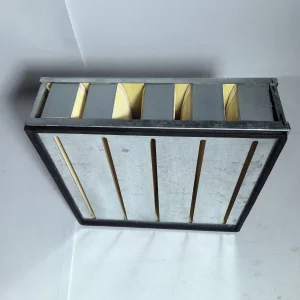
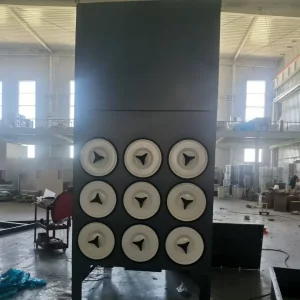
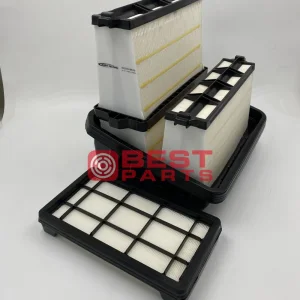
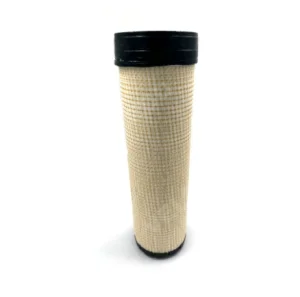
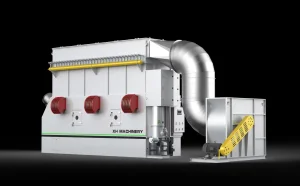
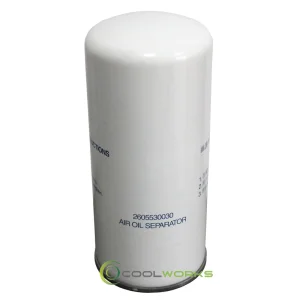
Engineered to deliver exceptional particulate holding capacity and withstand intense differential pressures in heavy-duty environments.
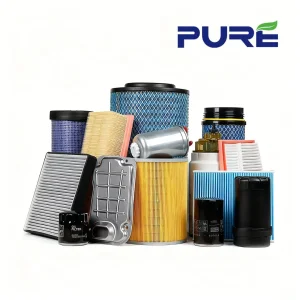
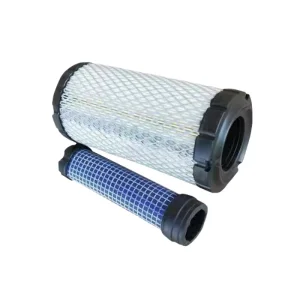
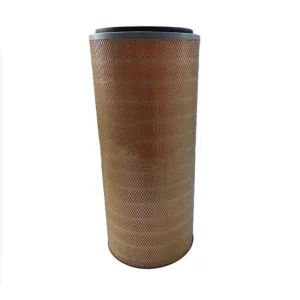
A comprehensive technical analysis of critical hydraulic and aerodynamic filtration in modern energy infrastructure.
The modern oil and gas industry operates under some of the most aggressive environmental and mechanical conditions on earth. From onshore deep-well drilling rigs in the Middle Eastern deserts to offshore platform completions in the North Sea, the integrity of exploration machinery is highly dependent on lubrication and hydraulic fluid purity. Oilfield equipment filters—ranging from heavy-duty engine air intakes to high-pressure hydraulic cartridges and complex coalescing gas-liquid separators—serve as the primary defense mechanism against equipment failure, downtime, and cataclysmic wear.
As global drilling activities shift towards deeper formations, high-pressure, high-temperature (HPHT) wells, and unconventional reserves, traditional filtration solutions fall short. Contaminants such as fine silica sand, iron sulfide scale, drill solids, and paraffin waxes present constant challenges. Unfiltered contaminants wear down hydraulic pumps, choke compressor valves, and erode fuel injectors. For global procurement teams, sourcing robust, high-performance filters is not just an operational necessity; it is a critical strategy to mitigate multi-million dollar asset risks.
China has evolved from a high-volume component producer into a high-technology manufacturing hub for critical industrial filtration media. The industrial ecosystems in provinces like Hebei offer unique geographic and supply chain integration advantages. By locating structural steel plants, precision wire mesh weavers, polymer membrane developers, and advanced testing laboratories close to each other, Chinese manufacturers can produce highly customized filter assemblies at scale.
This proximity significantly accelerates design-to-prototype cycles. Rather than relying on fragmented logistics networks, Hebei Fisc Auto Co., Ltd. controls the raw material input quality, pleating geometries, metal stampings, and final quality control within a single localized network. This structural efficiency translates directly into cost containment without compromising the high material standards demanded by oilfield operations, such as micro-glass fibers, high-tensile carbon steel housings, and synthetic bypass valves.
“Information Gain Insight: Modern oilfield procurement is transitioning away from proprietary OEM markup models. Procurement officers are bypassing traditional branding agencies to work directly with specialized Chinese engineering manufacturers. This shifts the focus from brand premiums to verifiable micro-glass density, beta ratio performance, and customized housing options.”
Standard off-the-shelf filters cannot survive the complex realities of specialized oilfield deployments. Here is how advanced filtration engineering adapts to localized field challenges:
A Trusted Pillar in Precision Filtration Engineering & Global Distribution since 2014.
Established in 2014 and located in Xingtai City, Hebei Province, China, Hebei Fisc Auto Co., Ltd. spans an operational footprint of 10,000 square meters with a registered capital of 3,000,000 yuan. Our enterprise has evolved into a premier designer, manufacturer, and distributor of high-performance filtration solutions for both heavy industrial and automotive sectors.
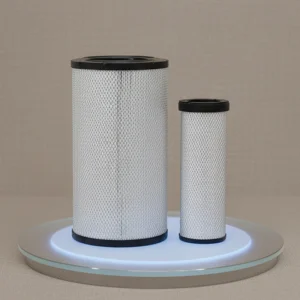
We leverage advanced manufacturing processes and raw material sourcing to deliver a diverse product line, including heavy-duty air filters, fuel-water separators, high-capacity oil filters, and high-pressure hydraulic filters. These systems support power generators, large air compressors, mining equipment, forklifts, agricultural harvesters, and commercial fleets across Africa, Europe, North America, and the Middle East.
Our core mission centers on mechanical protection and system reliability. By maintaining an in-house engineering and testing laboratory, we ensure that every filter component meets or exceeds the strict standards expected by global energy partners.
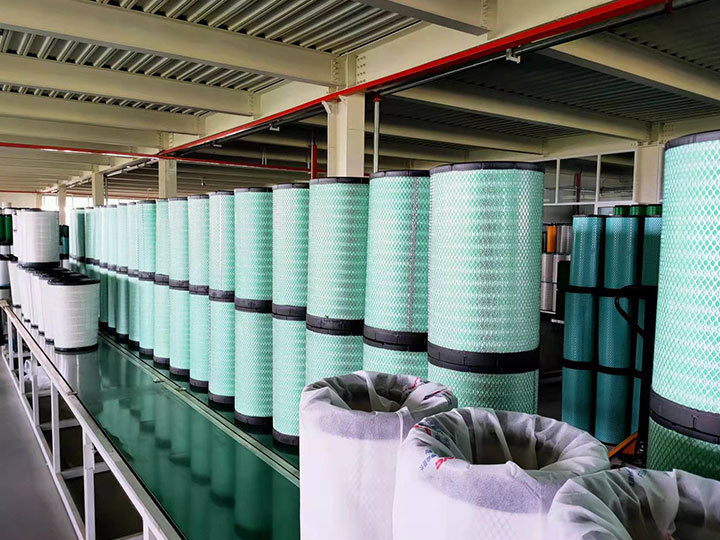
Our engineers continually innovate pleat densities and synthetic resin treatments to match environmental and regulatory standards.
From testing raw micro-glass media to final burst-pressure validation, we ensure every filter performs reliably in the field.
Located in Xingtai, we connect easily to major industrial shipping ports, ensuring reliable deliveries and short transit times.
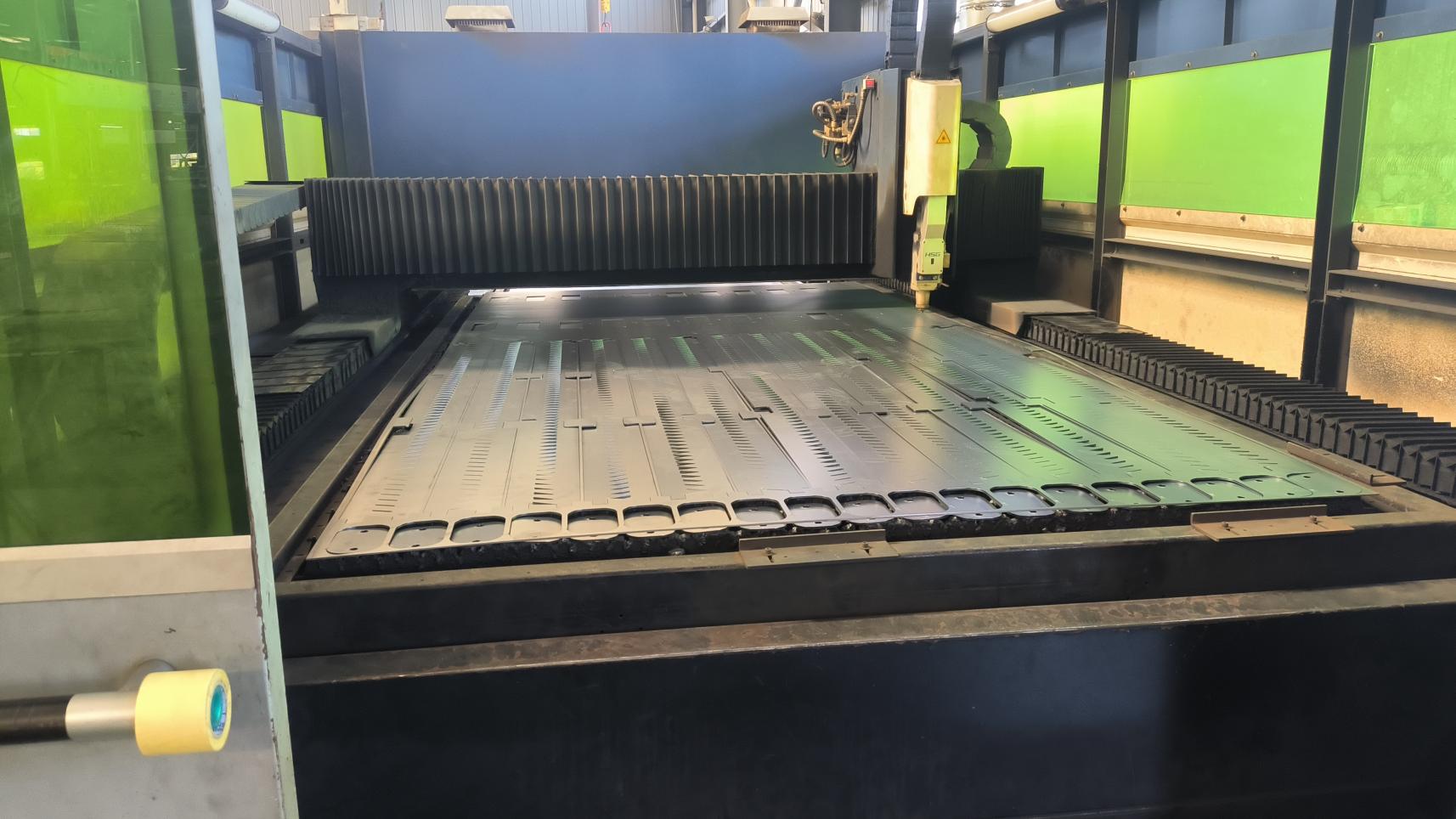
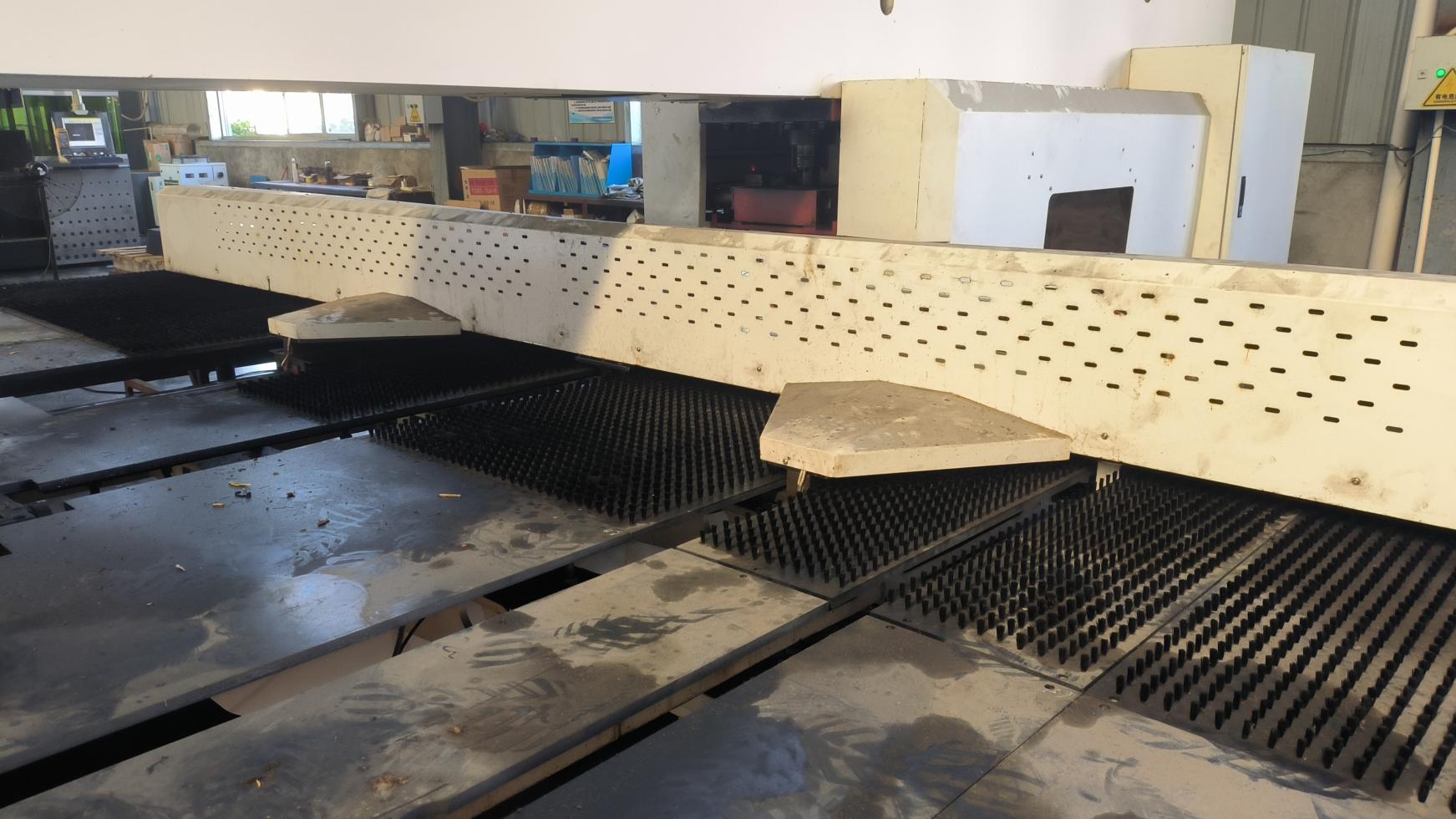
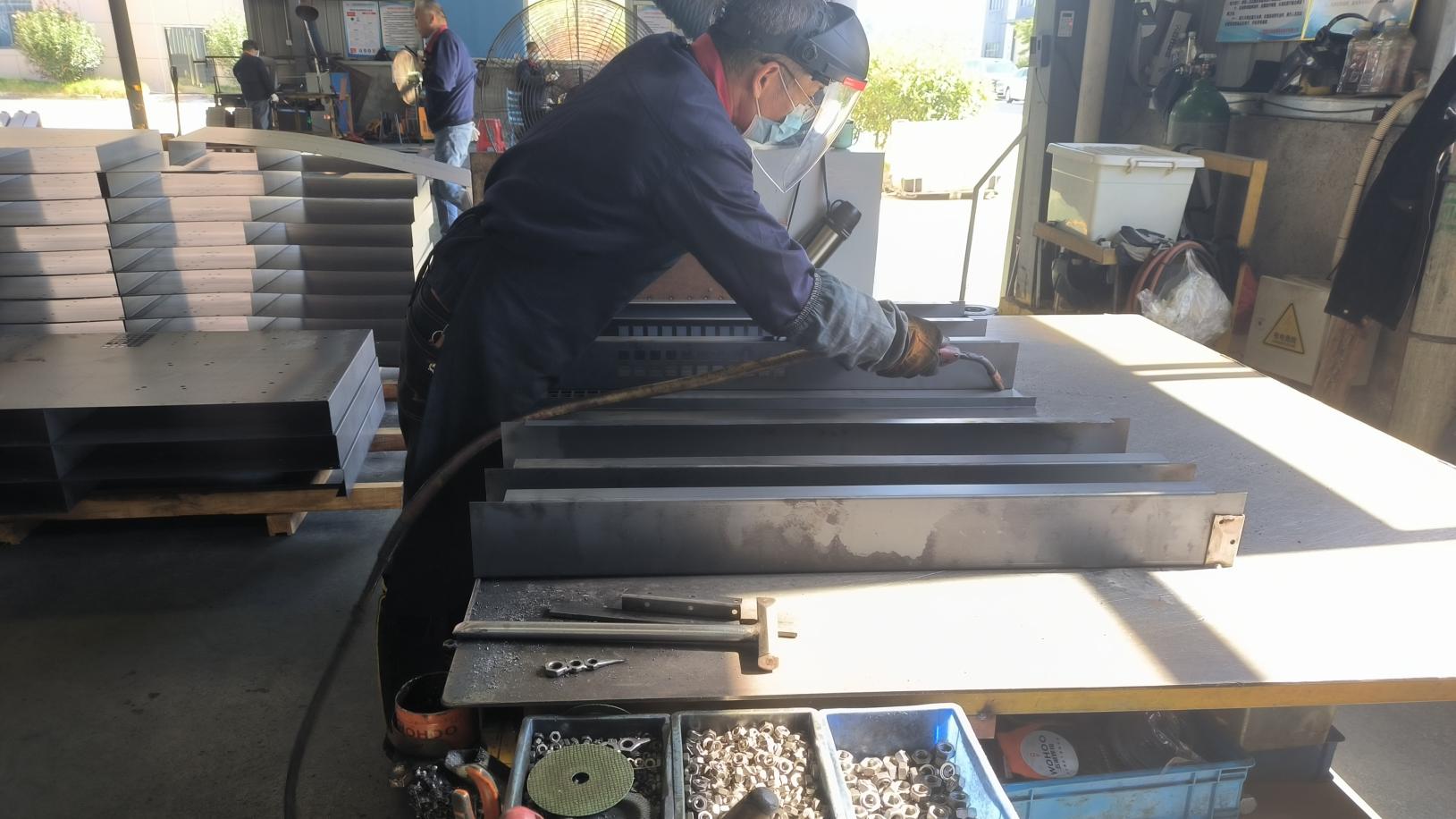
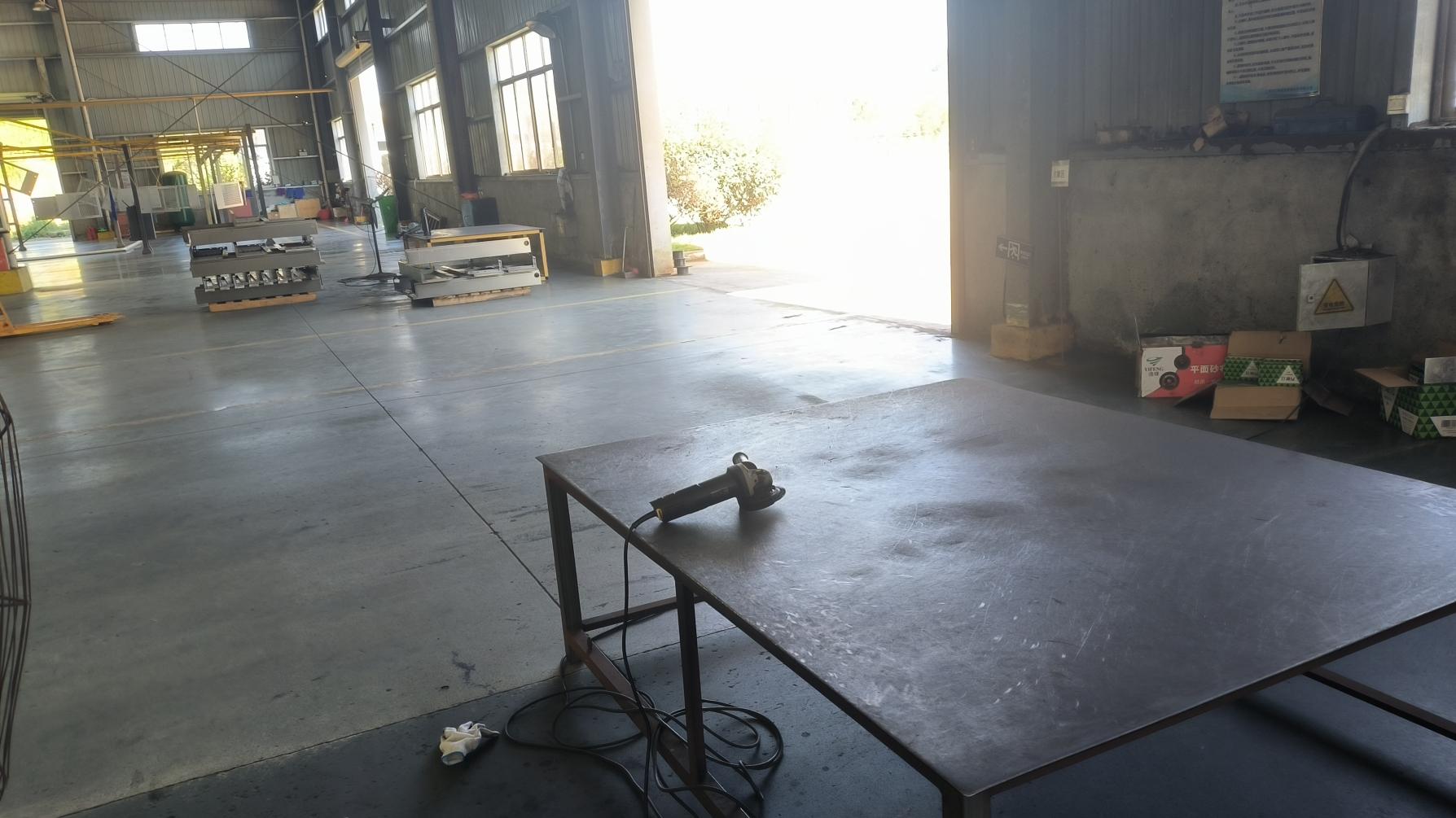
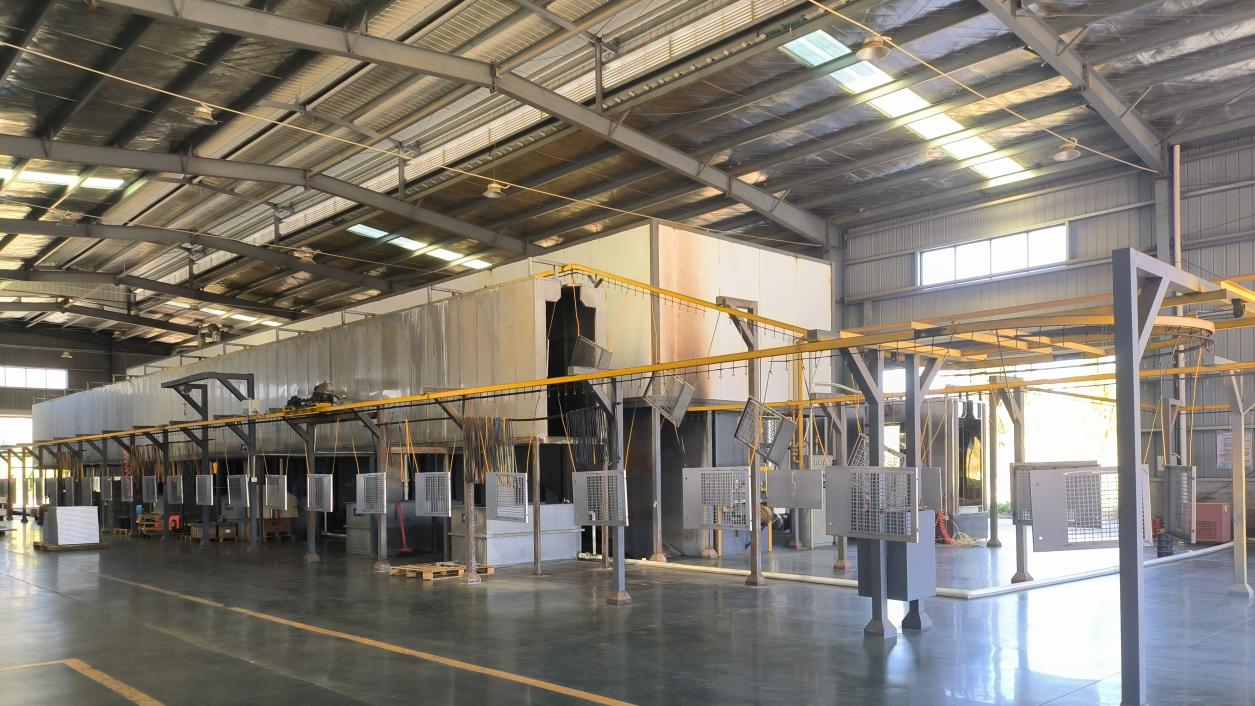
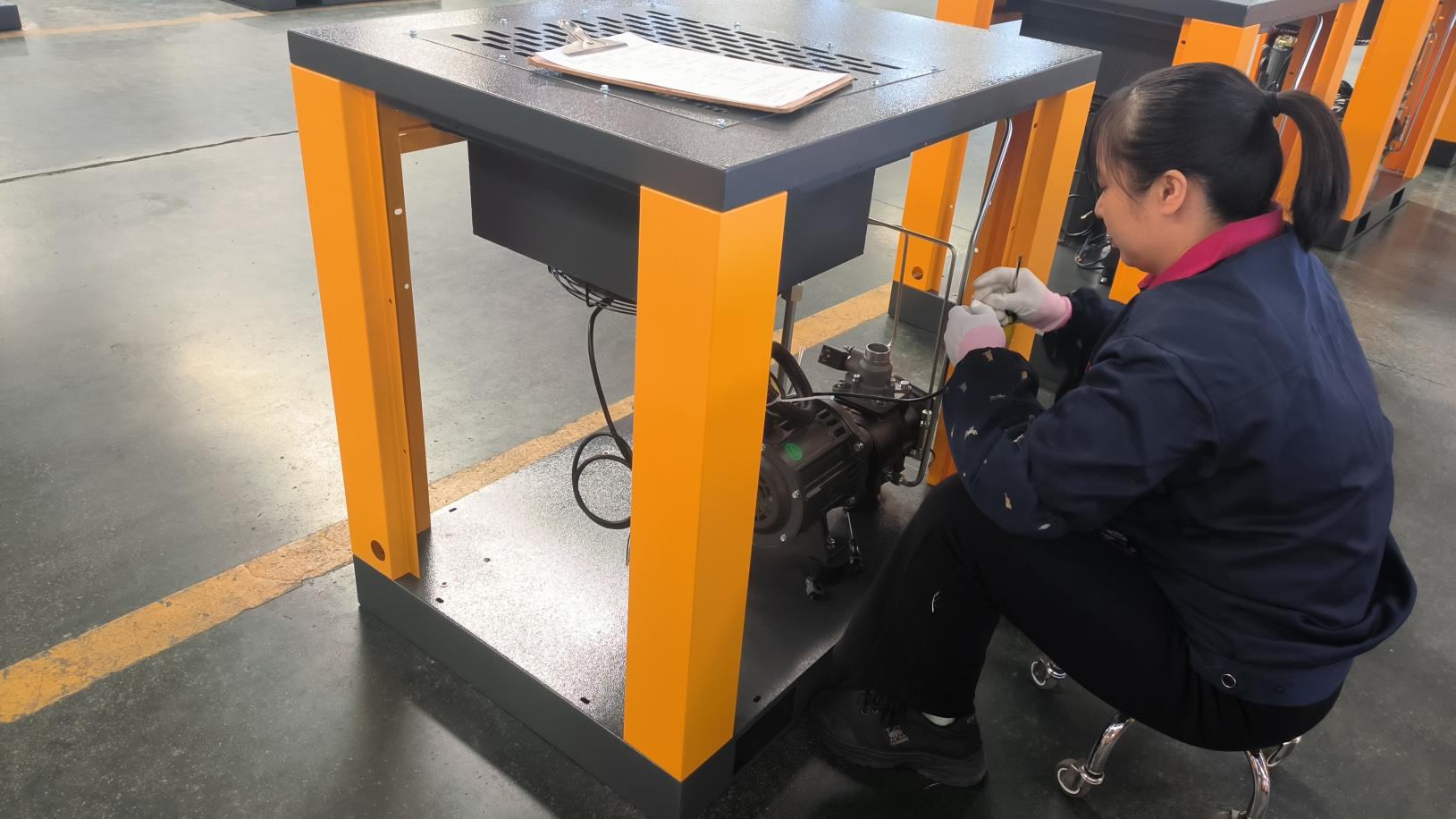
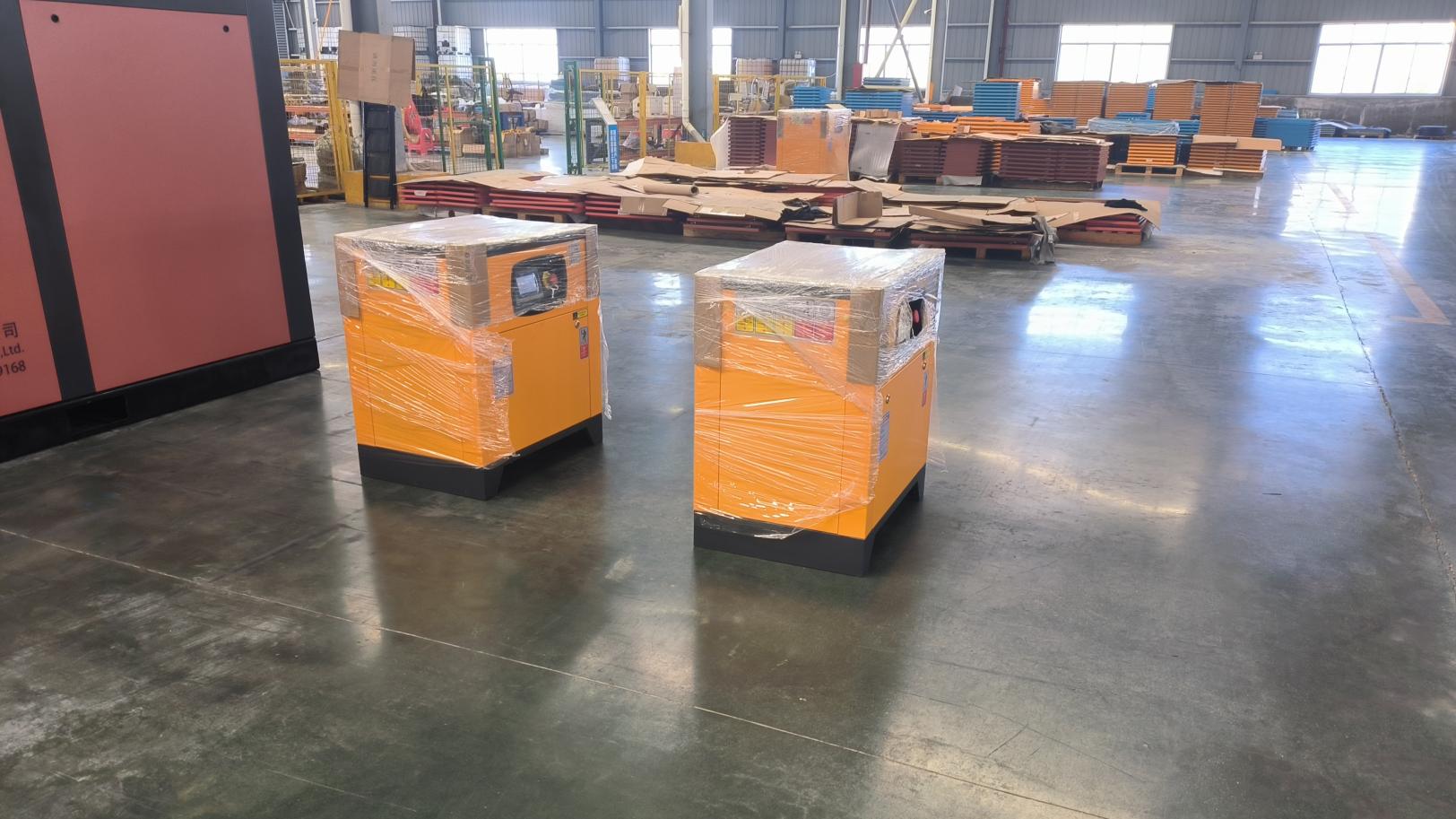
A step-by-step tour of our automated manufacturing processes, highlighting the engineering steps that ensure robust construction.
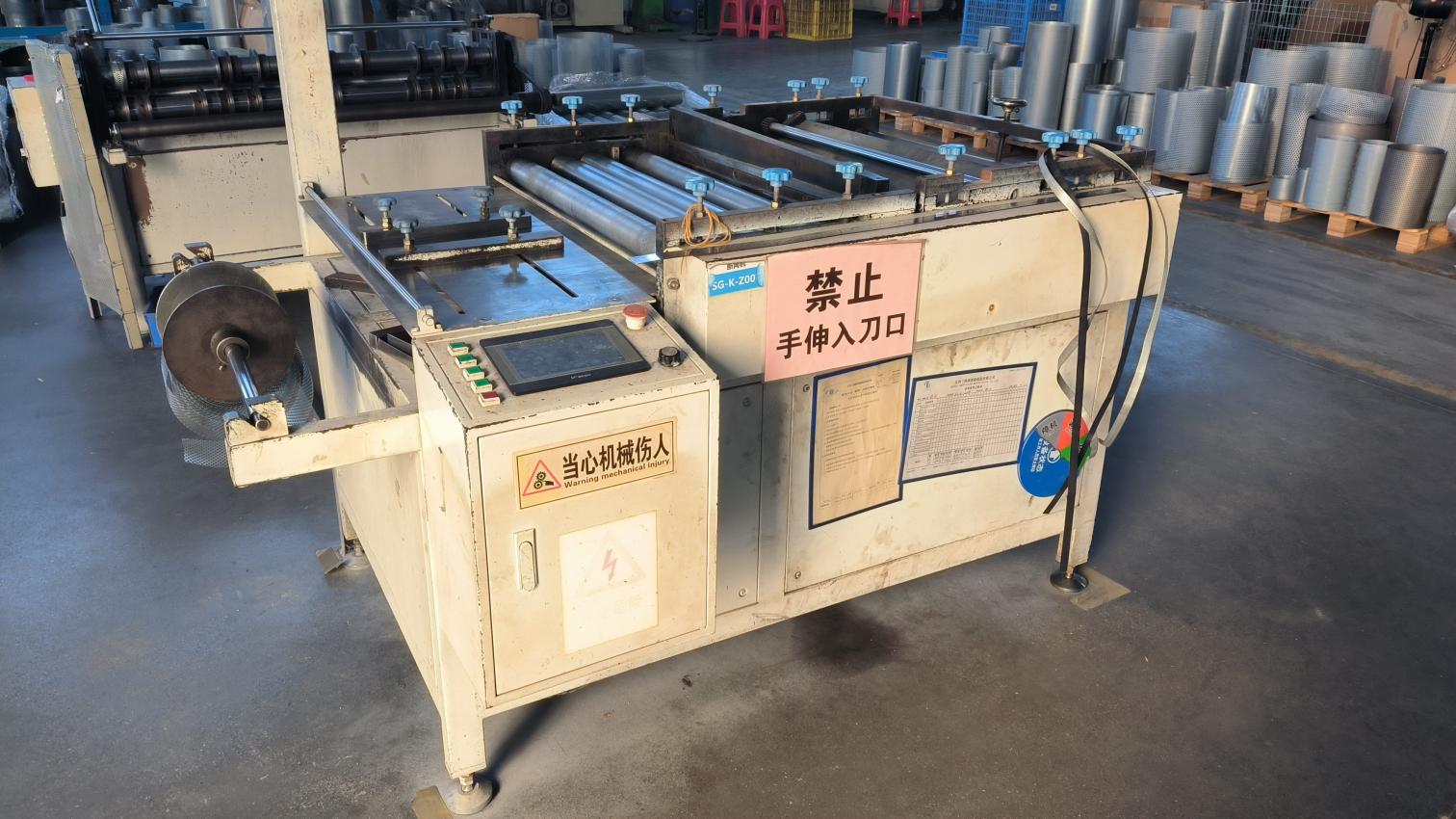
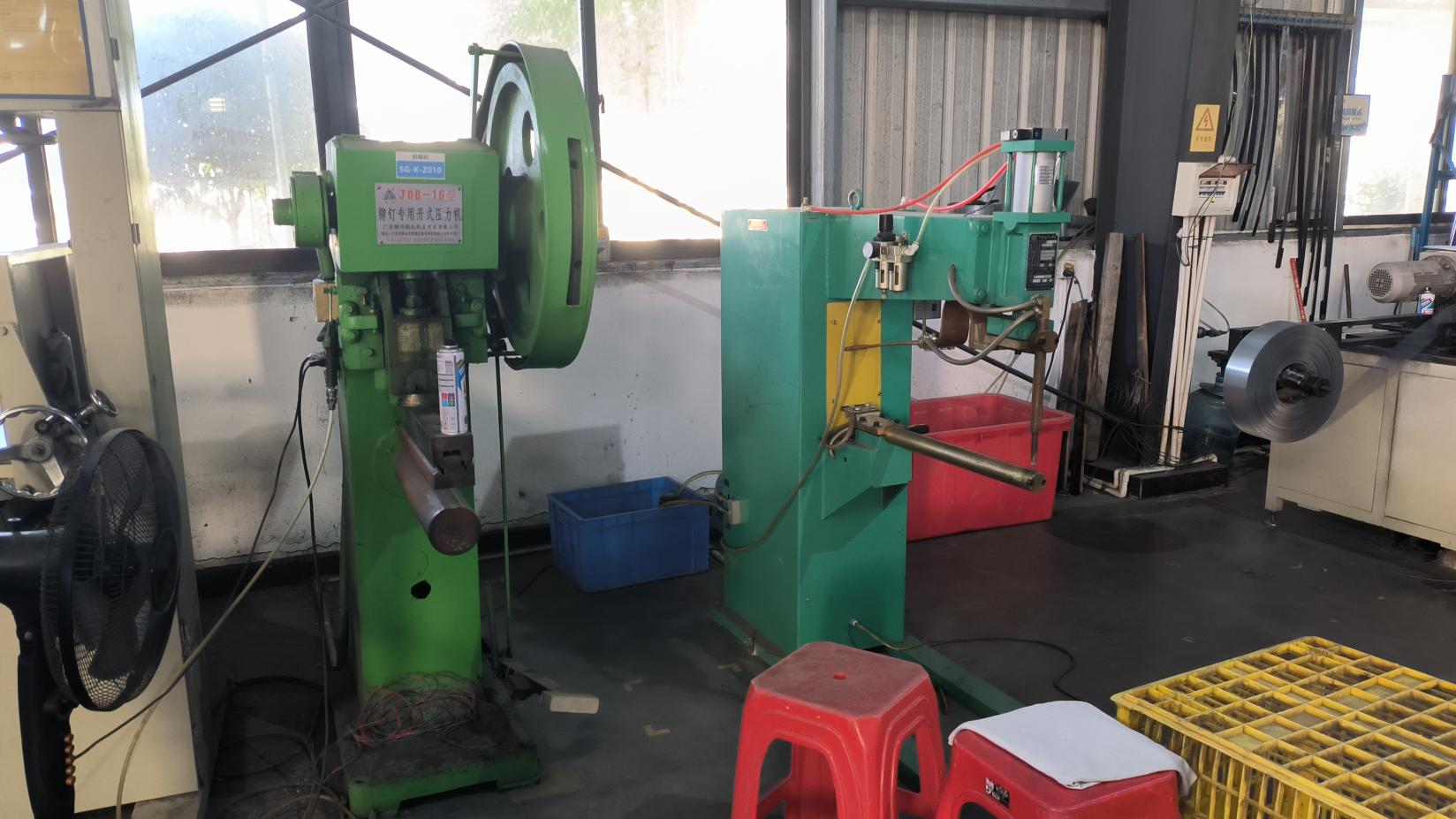
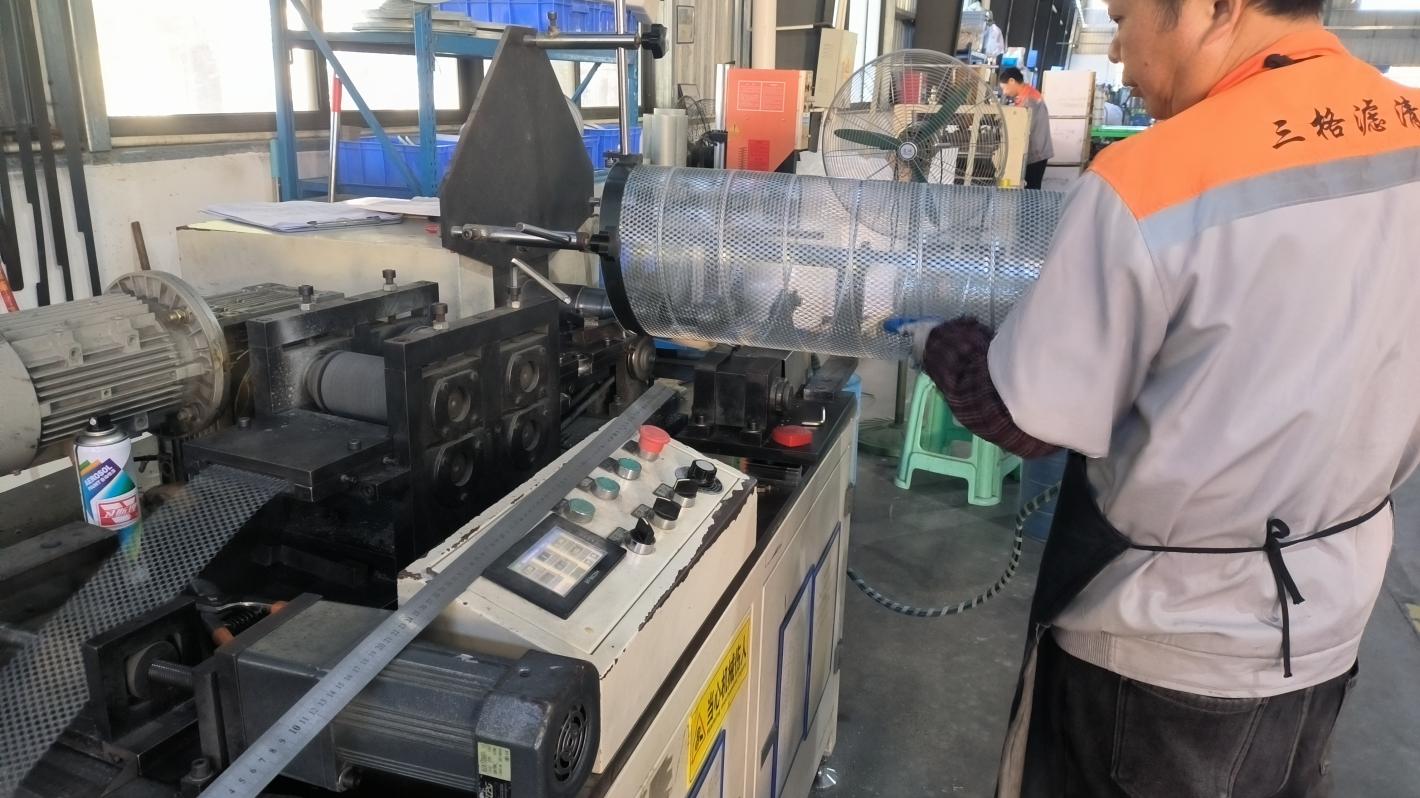
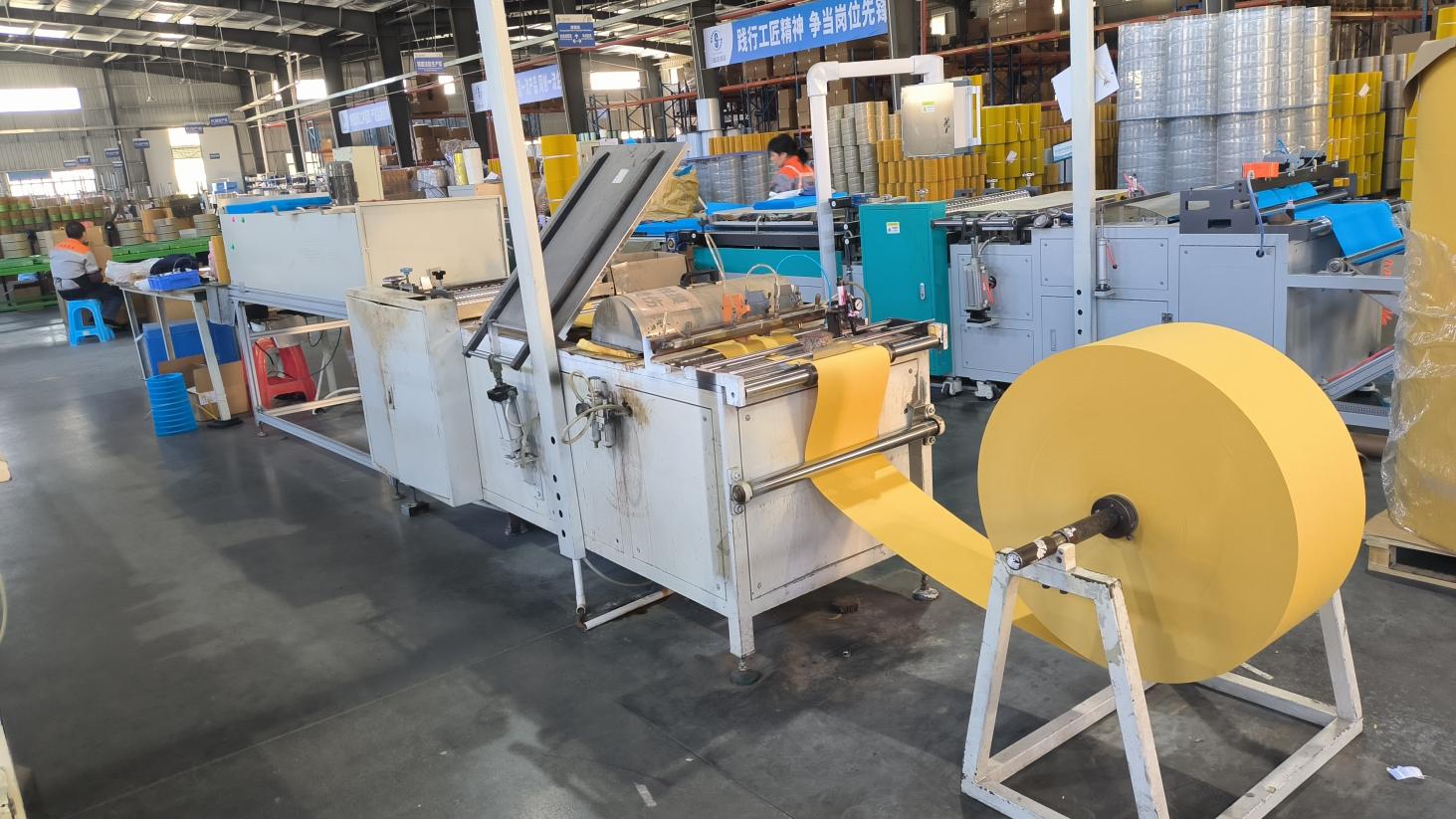
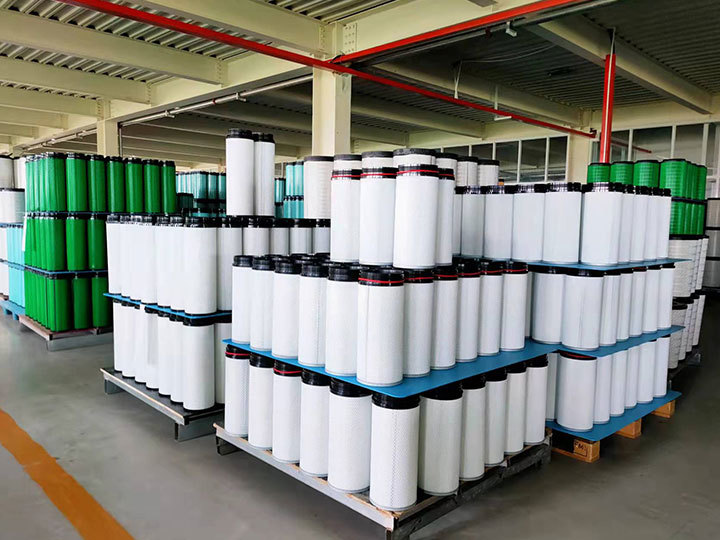
The global push for emissions reduction and sustainability is reshaping industrial filtration design. Modern gas and oil operations are moving toward closed-loop systems to prevent oil mist leaks. This shift is driving demand for advanced coalescer elements that can capture micro-sized oil aerosols down to sub-micron levels, preventing venting issues.
Additionally, operations in remote locations require longer service intervals. Filter elements are now engineered with multi-layered, graded-density synthetic media. This design captures larger dust particles on the outer layer while trapping finer particulates in the core, doubling the filter's dirt-holding capacity and reducing maintenance shutdowns.
At Hebei Fisc Auto, we stay ahead of these trends by testing and incorporating high-temperature resistant silicon seals, electrostatically charged media, and corrosion-resistant alloys. This ensures our filtration products stand up to chemical cleaning fluids and hydrogen sulfide gas exposure in sour wells.
Technical guidance from our research laboratory on choosing, maintaining, and deploying high-durability filter elements.
Explore our complete catalog of machinery and truck filtration systems engineered to perform in high-demand environments.
 Fisc Auto