If you're asking, "why is my truck losing power and blowing black smoke?" you're not alone. Many truck owners face this frustrating issue. Black smoke can indicate various underlying problems. It's essential to understand these issues before they worsen.
When your truck loses power, it may struggle to accelerate or maintain speed. This can be caused by engine issues like a clogged air filter or faulty fuel injectors. Each symptom suggests a deeper problem that needs attention. Ignoring these signs could lead to more severe damage.
Identifying the root cause is crucial. It may require professional diagnostics. Taking action now can save you from costly repairs later. Don't underestimate the importance of regular maintenance. Your truck's performance depends on that care. Understanding these factors can empower you as a truck owner. It’s a journey of learning as you tackle this issue head-on.
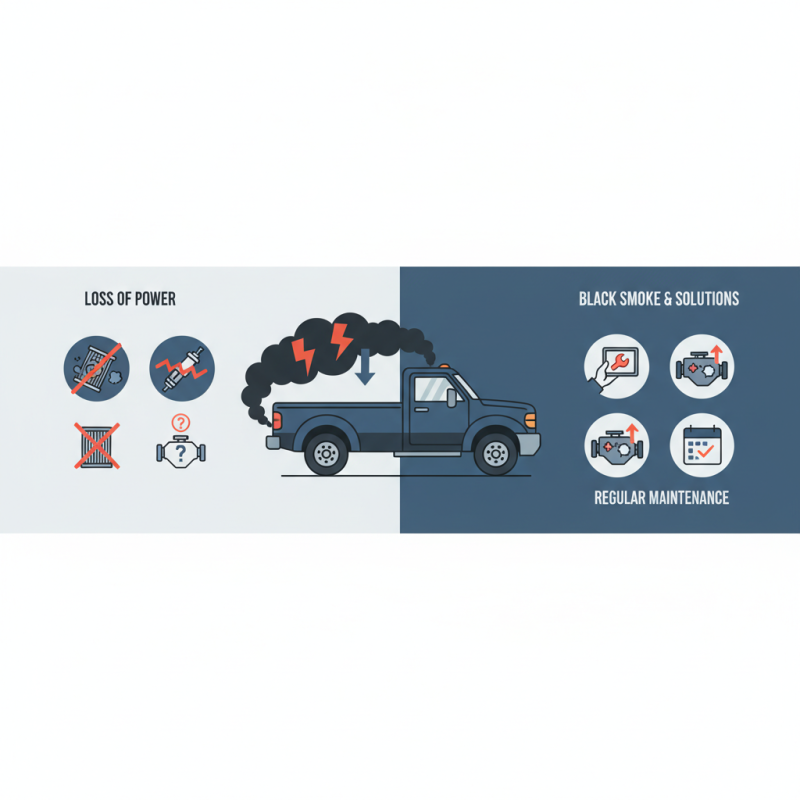
When a truck loses power and blows black smoke, it raises serious concerns. This overwhelming issue can stem from several problems, but understanding the core reasons is essential. The first step is to check the fuel system. A clogged fuel filter can restrict the flow. This leads to poor combustion and power loss. Additionally, excessive fuel can create black smoke.
Another critical area to examine is the air intake system. If the air filter is dirty, the engine struggles to breathe. This imbalance between air and fuel mixture can be disastrous. You might notice a change in acceleration. The engine might feel sluggish. Regular maintenance of these components can prevent such issues. Checking your truck's sensors is also advised. If the sensors malfunction, they can send incorrect data to the engine control unit.
Drivers often overlook these simple checks. Realizing that neglect can lead to bigger problems is vital. Addressing these issues early can save time and money. Investing time in understanding how these systems work will enhance your driving experience. Taking care of your truck is not just about performance; it's about safety too.
When a truck emits black smoke, it's often a sign of improper fuel combustion. This issue can arise for several reasons. A common cause is a clogged air filter. If the filter gets dirty, it restricts airflow. This restriction leads to a rich fuel mixture, resulting in black smoke. Regular maintenance of the air filter can prevent this problem.
Another frequent culprit is poor fuel quality. Low-quality or contaminated fuel doesn't burn cleanly. This can lead to incomplete combustion and excessive soot production. Drivers should always use reputable fuel sources. Additionally, problems with the fuel injectors may cause this issue. Faulty injectors can drench the engine with too much fuel, pushing out black smoke.
Sometimes, the turbocharger fails. A malfunctioning turbo can restrict airflow, causing the engine to misfire and produce smoke. Drivers should pay attention to signs of turbo issues, such as unusual sounds or decreased acceleration. Understanding these common causes can help truck owners address problems early. Regular checks and preventative actions are key for optimal performance.
This chart illustrates the common causes of black smoke emission in trucks, showing the percentage frequency of each issue. These factors contribute significantly to power loss and should be addressed for optimal truck performance.
Fuel quality plays a significant role in engine performance. Poor-quality fuel can lead to various issues. Trucks may lose power and emit black smoke due to incomplete combustion. This can happen when fuel contains high levels of sulfur or impurities. Such contaminants disrupt the normal fuel-air mixture, creating problems in the combustion chamber.
When the fuel is contaminated, it affects the injectors. They may clog or become inefficient. This results in less power and increased emissions. Drivers often notice these issues as their trucks struggle to accelerate. Black smoke indicates that the engine is burning too much fuel. It’s a clear sign of an underlying problem.
Addressing fuel quality is crucial for optimal performance. Regularly checking fuel sources and selecting cleaner options can make a difference. This not only enhances engine efficiency but also contributes to a reduced environmental impact. It’s important to be mindful of these factors while maintaining your vehicle. Overlooking fuel quality can lead to costly repairs or worse performance over time.
| Issue | Description | Possible Causes | Recommended Actions |
|---|---|---|---|
| Loss of Power | Engine struggles to accelerate and maintain speed. | Poor fuel quality, clogged filters, faulty injectors. | Check and replace fuel filters; use high-quality fuel. |
| Black Smoke Emission | Excessive black smoke from exhaust indicates incomplete combustion. | Rich fuel mixture, malfunctioning sensors, or dirty air filters. | Inspect air intake; replace sensors if necessary. |
| Decreased Fuel Efficiency | More fuel consumed than usual for the same mileage. | Substandard fuel, heavy load, tire pressure issues. | Regularly check tire pressure; avoid heavy loads. |
| Stalling | Engine unexpectedly shuts off while driving. | Clogged fuel lines, contaminated fuel. | Flush fuel system; ensure fuel cleanliness. |
| Rough Idle | Engine vibrates or struggles when idling. | Dirty fuel injectors, poor fuel quality. | Clean or replace fuel injectors; use cleaner treatments. |
If your truck is losing power and blowing black smoke, several issues could be the cause. Inspecting the fuel system is crucial. A dirty fuel filter can restrict fuel flow, leading to poor engine performance. Clogged injectors may result in an improper air-fuel mixture. This causes black smoke to emanate from the exhaust.
Moreover, check the air intake system. A blocked air filter can limit air flow, negatively impacting engine efficiency.
Next, consider engine health. A malfunctioning turbocharger may cause power losses and excessive smoke. A worn or damaged piston ring can also lead to burning oil. Furthermore, look into exhaust system issues. If the exhaust is restricted, it can backpressure the engine. This leads to reduced power output.
Remember, regular maintenance is essential. If you neglect these checks, power issues may arise unexpectedly. Always seek professional help if you encounter ongoing problems.
Preventive maintenance is crucial for truck owners who wish to avoid power loss and black smoke issues. According to the American Trucking Association, improper maintenance contributes to about 30% of truck breakdowns. Regular checks can significantly reduce this risk. Start by inspecting your air filters. A clogged filter can restrict airflow, causing the engine to run rich and emit black smoke. Replace filters every 10,000 miles or sooner if you often drive in dusty conditions.
Another vital aspect is monitoring fuel quality. Fuel contamination can lead to poor combustion, which results in power loss and harmful emissions. The National Renewable Energy Laboratory reports that about 10% of diesel fuel can harbor water, leading to engine inefficiencies. Regular fuel system cleanouts can prevent these issues. Additionally, keep an eye on your exhaust system. A malfunctioning component can increase back pressure, contributing to power loss. This situation often goes unnoticed until performance drops significantly, highlighting the importance of routine inspections.
: Clogged fuel filters can restrict fuel flow, leading to poor combustion and black smoke.
A dirty air filter restricts airflow, causing a rich fuel mixture and resulting in sluggish acceleration and black smoke.
Routine checks can prevent power loss and black smoke. Neglecting maintenance can lead to bigger problems and costly repairs.
Faulty fuel injectors can deliver too much fuel, causing incomplete combustion and resulting in black smoke emissions.
Low-quality fuel can lead to incomplete combustion, power loss, and increased soot production in the engine.
Unusual sounds or decreased acceleration may signal turbocharger problems that could lead to black smoke emissions.
It's recommended to replace air filters every 10,000 miles or sooner in dusty conditions to maintain optimal performance.
Malfunctioning exhaust components can increase back pressure, contributing to power loss and performance issues.
Regular inspections of air filters, fuel quality, and exhaust systems can significantly reduce the risk of power loss.
Knowing how fuel, air intake, and exhaust systems work can enhance overall performance and safety while driving.
The issue of "why is my truck losing power and blowing black smoke" can be attributed to several key factors that warrant attention from truck owners. Understanding the potential causes of power loss is crucial, which often stems from problems such as clogged fuel filters, faulty injectors, or even issues with the turbocharger. Black smoke emissions are typically indicative of an overly rich fuel mixture, often linked to poor fuel quality, which can significantly impact overall engine performance.
To effectively troubleshoot power issues, truck owners should assess their fuel quality and consider regular maintenance checks. Preventive maintenance plays a vital role in sustaining engine health, which includes routine inspections and timely replacements of critical components. By being proactive, truck owners can mitigate the risk of power loss and excessive smoke emissions, ensuring a smoother and more efficient driving experience.

Fisc Auto