In the ongoing debate about air filtration, many ask, "why are synthetic air filters better than paper ones?" Industry expert Dr. Emily Johnson emphasizes, "Synthetic filters provide superior efficiency and longevity compared to traditional paper ones." This perspective is based on extensive research in air quality and filtration technology.
Synthetic air filters often outperform their paper counterparts in several critical areas. They capture fine particles more effectively. This means cleaner air, which is essential in spaces like homes and offices. Moreover, synthetic materials tend to resist moisture better. This resistance reduces the likelihood of mold growth, a common issue in humid environments.
Despite these advantages, some may question the sustainability of synthetic materials. It's important to reflect on the environmental impact of both types of filters. While synthetic filters can last longer, ensuring proper disposal and recycling remains a challenge. Nevertheless, the efficiency of synthetic air filters often outweighs these concerns, making them a strong competitor in the filtration market.
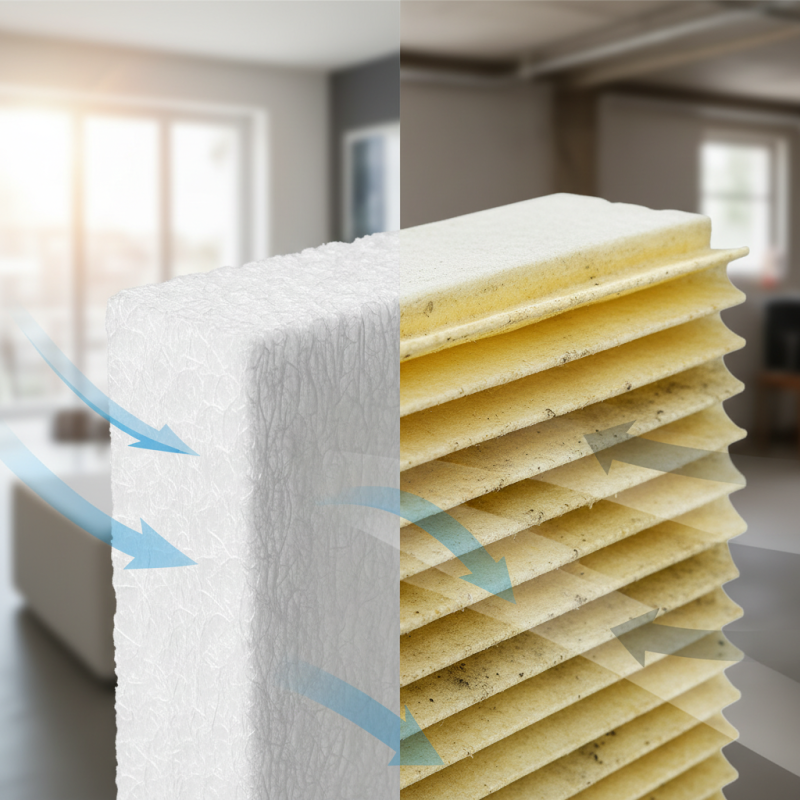
Synthetic air filters are becoming increasingly favored in HVAC systems, mainly due to their numerous advantages over traditional paper filters. One major benefit is their enhanced efficiency in capturing particles. According to a study published by the American Society of Heating, Refrigerating, and Air-Conditioning Engineers (ASHRAE), synthetic filters can capture up to 85% of airborne particles, while paper filters typically achieve about 50%. This increased filtration capability helps maintain better indoor air quality.
Another significant advantage is the durability and lifespan of synthetic filters. They tend to last longer than paper filters, with some models featuring a lifespan of up to six months, as noted in industry reports. In contrast, paper filters often require replacement every month. This longevity not only reduces the frequency of filter changes but also minimizes waste. However, the environmental impact of synthetic materials raises concerns. Striking a balance between performance and sustainability is essential for consumers.
Synthetic materials exhibit less resistance to airflow than paper filters. A lower pressure drop results in improved energy efficiency for HVAC systems. However, users should be aware of the upfront costs. Synthetic filters can be more expensive initially, leading to mixed feelings. Decisions should consider both short-term costs and long-term benefits.
: Synthetic filters capture up to 85% of airborne particles, while paper filters capture about 50%. This improves indoor air quality significantly.
Synthetic filters can last up to six months. In contrast, paper filters typically need replacing every month.
Yes, synthetic filters exhibit less resistance to airflow. This leads to improved energy efficiency in HVAC systems.
Initial costs for synthetic filters can be higher. However, they may result in savings due to reduced replacement frequency.
While they last longer and reduce waste, some synthetic materials may release volatile organic compounds. Evaluating environmental aspects is vital.
No, quality varies. Some may not perform well in extreme temperatures or humidity, making product evaluation important.
Their durability and recyclability lead to reduced waste over time, helping to minimize landfill contributions compared to paper filters.
Yes, manufacturing synthetic filters consumes about 50% less energy than making paper filters, reducing their environmental footprint.
Performance metrics, costs, sustainability concerns, and specific conditions like temperature and humidity should all be considered.
While synthetic filters offer more durability and efficiency, their potential environmental impact from materials must be carefully assessed.
Synthetic air filters offer numerous advantages over traditional paper filters, particularly in HVAC systems. One of the key reasons why synthetic air filters are better than paper ones is their superior filtration efficiency, which ensures cleaner air and improved indoor air quality. Additionally, synthetic filters typically have a longer lifespan, leading to lower maintenance costs and fewer replacements over time. Their resistance to moisture and microbial growth further enhances their performance, making them a more reliable choice for maintaining air quality.
Moreover, the environmental impact of synthetic filters is increasingly favorable, as they are often designed with sustainability in mind, aligning with modern air quality management practices. Overall, when considering performance metrics, longevity, and environmental sustainability, the benefits of synthetic air filters make them a preferred option over paper filters in many applications.

 Fisc Auto