How to Reduce Fleet Air Filtration Maintenance Costs Effectively?

Time:2026-06-07 Author:Mason
0%

Fleet maintenance costs have become a pressing concern for many organizations. Recent studies indicate that air filtration systems significantly impact overall operational expenses. It is reported that vehicle air filtration can account for up to 10% of total maintenance costs in fleet management. As fleets grow, understanding how to reduce maintenance costs for fleet air filtration becomes critical.

Equipment failure and ineffective filtration can lead to engine damage, resulting in unplanned repairs. Data shows that proactive maintenance strategies could save fleets as much as 20% annually on these costs. Nevertheless, many operators remain unaware of efficient practices. The complexity of various filtration systems adds to the challenge.

Investing in high-quality filters and implementing regular inspection schedules can yield long-term savings. However, the temptation to opt for cheaper alternatives may backfire, leading to increased downtime and higher repair bills. A careful evaluation of current practices is essential for making informed decisions. By focusing on the right strategies, operators can significantly reduce fleet air filtration maintenance costs, ensuring both reliability and sustainability.
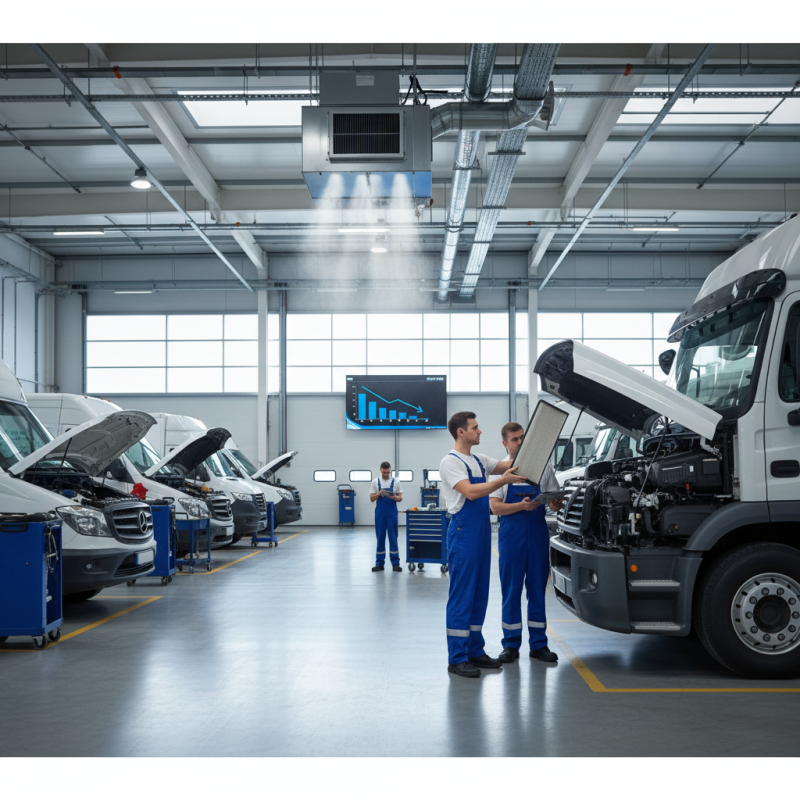
How to Reduce Fleet Air Filtration Maintenance Costs Effectively?

Understanding the Importance of Fleet Air Filtration Systems

Fleet air filtration systems are critical for maintaining optimal air quality in vehicles. They help reduce harmful contaminants and allergens. This not only protects the health of drivers and passengers but also improves overall vehicle performance. Regular maintenance ensures these systems function effectively, prolonging their lifespan. Understanding their importance is fundamental for fleet managers.

Neglecting air filtration can lead to increased maintenance costs. Dirty filters can cause engine inefficiencies and prompt early wear and tear on components. A clogged filter restricts airflow, impacting fuel efficiency. This situation is avoidable with a proactive maintenance strategy. Regular checks and timely replacements can prevent unnecessary expenses.

Incorporating preventive measures is essential. Fleet operators should establish a routine inspection schedule. Monitoring the air quality can provide insights into filter health. Engaging with knowledgeable technicians can further enhance understanding of filtration needs. While these steps may demand resources, the long-term benefits outweigh the initial investment.

Common Maintenance Challenges in Fleet Air Filtration

Fleet air filtration systems are critical for maintaining air quality within vehicle cabins. However, these systems face several maintenance challenges that can significantly impact operating costs. Regular inspections are essential, yet they often reveal issues that require immediate attention, such as clogged filters or degrading components. According to industry statistics, around 30% of maintenance costs in fleet operations are attributed to air filtration and related systems. This percentage underscores the importance of proactive maintenance practices.

Inadequate training of maintenance staff can lead to inefficient servicing, exacerbating costs. Many fleet operators lack specialized knowledge regarding optimal filtration intervals and replacement timings. Research indicates that a poorly maintained filtration system can deteriorate fuel efficiency by up to 10%, leading to increased operational expenses. This highlights the need for continuous education and effective maintenance protocols.

Environmental factors also pose significant challenges. Dust, pollen, and pollutants can cause filter clogging more rapidly than expected, particularly in urban areas. A recent study found that filters in high-pollution zones need replacement 20% more frequently than those in cleaner environments. Addressing these challenges requires not only diligent monitoring but also adaptations based on environmental conditions, ultimately supporting more efficient fleet operations.

Cost-Effective Maintenance Strategies for Fleet Filtration Systems

Effective maintenance strategies for fleet filtration systems can significantly reduce costs. According to studies, maintenance can account for up to 30% of total operational costs in fleet management. This means optimizing filtration systems is crucial.

Regular inspections can reveal hidden issues early. Data shows that fleets that conduct monthly checks save about 25% on long-term maintenance. Investing in high-quality filters actually reduces replacement frequency and costs in the end. Neglecting this can lead to increased wear on engines and higher repair bills, which many fleets overlook.

Training staff on proper filtration system care also plays a role. Knowledgeable technicians can spot issues before they escalate. This proactive approach often results in a 20% reduction in unexpected breakdowns. A culture of reliability ensures that maintenance schedules are adhered to, which is often challenging in busy environments. Balancing cost and efficiency requires continuous reevaluation and adaptation of strategies.

Implementing Technology for Enhanced Filtration Efficiency

Implementing advanced technology can significantly reduce fleet air filtration maintenance costs. Smart sensors can monitor filter performance in real-time. This offers insights into when filters need servicing. Minimizing unnecessary maintenance saves time and resources.


Data analytics plays a crucial role in enhancing filtration efficiency. By analyzing historical data, fleets can anticipate filter lifespan and performance trends. Identifying patterns helps in optimizing replacement schedules. This approach not only prolongs filter life but also boosts overall air quality in vehicles.


Technology integration may face challenges. Training staff to use new systems can be time-consuming. Resistance to change is common in established operations. It’s essential to continually evaluate the technology’s effectiveness to ensure it meets fleet needs. Embracing innovation, while acknowledging its hurdles, leads to better outcomes for air filtration maintenance.

Training and Best Practices for Fleet Maintenance Personnel

Effective fleet air filtration maintenance is crucial for cost reduction. Training your maintenance personnel can lead to substantial savings. Skilled workers are less likely to make costly mistakes. They can identify issues early and implement solutions quickly.


Regular training sessions are essential. Focus on practical skills and hands-on applications. Encourage your team to stay updated on industry standards and best practices. This continuous education builds confidence and reduces errors. Maintenance staff should practice diagnostics routinely. It helps them spot potential problems.


Tips for effective maintenance include:

  • Document all processes clearly and concisely.
  • Regularly review and update maintenance schedules.
  • Use group discussions to share knowledge.

Even the best teams can struggle at times. Reflection on past issues can enhance future performance. Consider what went wrong and how to improve. Continuous learning can foster a more competent workforce. Emphasizing the importance of teamwork also leads to better outcomes.

FAQS

: What maintenance challenges do fleet air filtration systems face?

: Fleet air filtration systems often deal with clogged filters and degrading components, raising operational costs.

How significant are maintenance costs related to air filtration?

Maintenance costs for air filtration can account for about 30% of total fleet operational expenses.

What can happen if filtration systems are poorly maintained?

A poorly maintained filtration system can reduce fuel efficiency by up to 10%, increasing overall costs.

How frequently should fleet operators conduct inspections?

Monthly inspections are recommended, as they may save about 25% on long-term maintenance expenses.

Why is staff training important in fleet maintenance?

Trained staff can identify issues early, reducing unexpected breakdowns by 20% and improving operational reliability.

What role does technology play in managing air filtration?

Technology, like smart sensors, can monitor filter performance in real-time, saving time and resources on maintenance.

What environmental factors affect filter maintenance?

Dust, pollen, and pollution can clog filters faster, especially in urban areas, necessitating more frequent replacements.

Can investing in high-quality filters lower costs?

Yes, high-quality filters may reduce replacement frequency and lower long-term maintenance costs, though upfront costs may be higher.

What challenges exist when implementing new technologies?

Training staff on new systems can be time-consuming, and some may resist changes, impacting effectiveness.

How can data analytics improve filtration maintenance?

Data analytics helps anticipate filter lifespan and performance trends, allowing for optimized replacement schedules and improved air quality.

Conclusion

Effective maintenance of fleet air filtration systems is crucial for ensuring air quality and operational efficiency. To understand how to reduce maintenance costs for fleet air filtration, one must first recognize the significance of these systems in protecting vehicles and promoting a healthy environment. Common challenges in maintaining these systems include filter clogging, contamination, and neglecting regular service schedules.

Implementing cost-effective maintenance strategies, such as routine inspections and timely replacements, can significantly minimize expenses. Additionally, leveraging technology, such as predictive maintenance software, enhances filtration efficiency by allowing for proactive measures before issues arise. Training fleet maintenance personnel on best practices further promotes effective upkeep, ensuring that both costs and service quality remain optimized.

Mason

Mason

Mason is a seasoned marketing professional with a deep expertise in the company's offerings and a passion for driving brand awareness. With a strong background in digital marketing strategies, he has an innate ability to connect with diverse audiences and effectively communicate product benefits.......