When considering air filtration systems, it’s crucial to understand what is the difference between primary and secondary air filters. These filters play distinct roles in maintaining air quality. Primary air filters are the first line of defense against particles and pollutants. Their main function is to capture larger contaminants, ensuring they do not enter the system.
On the other hand, secondary air filters target smaller particles that may slip past the primary filters. This two-tier approach helps improve air cleanliness and prolongs the life of HVAC systems. A deeper understanding of these filters is essential for anyone responsible for indoor air quality.
Choosing the right filters can significantly influence health and comfort. An educated decision about air filters often requires professional advice. It’s not uncommon for individuals to overlook these differences. Mistakes in filter selection can lead to increased energy costs and reduced air quality.
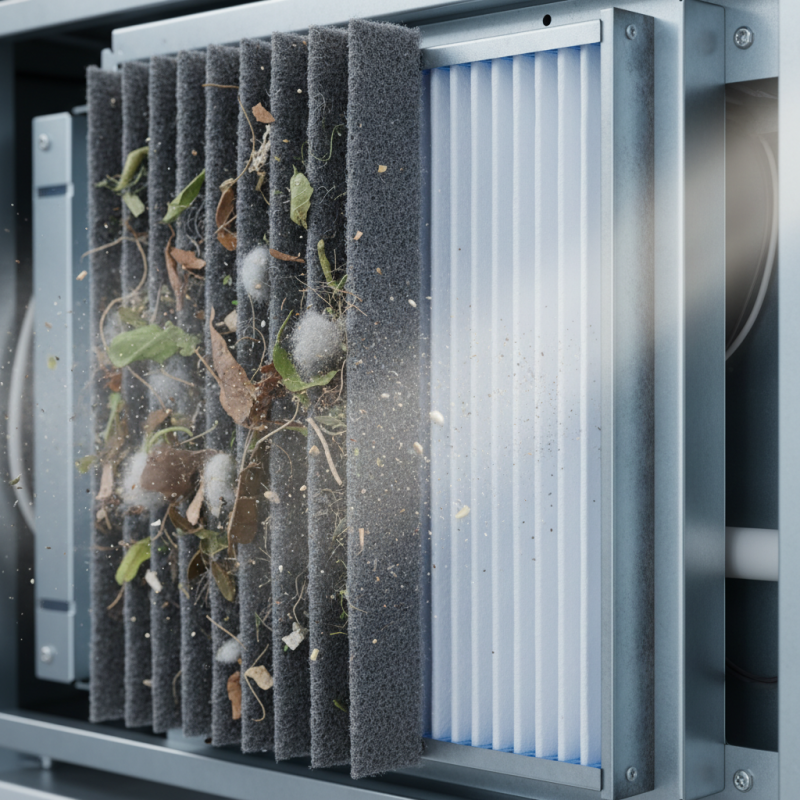
Primary air filters play a vital role in HVAC systems. They primarily protect the system's internal components from dust and pollutants. These filters capture larger particles, which helps maintain the overall efficiency of the system. According to a report from the American Society of Heating, Refrigerating, and Air-Conditioning Engineers (ASHRAE), effective filtration can lead to energy savings of up to 15%. This is significant for both commercial and residential applications.
The efficiency of primary filters can vary greatly. Some systems may utilize pleated filters while others opt for disposable options. A study by the National Air Filtration Association indicates that filter performance can drop by as much as 50% if not replaced regularly. Regular maintenance and monitoring are essential. They ensure that the filters function effectively and enhance indoor air quality.
Moreover, it’s important to recognize that primary air filters are not infallible. They can miss smaller particles, which secondary filters are designed to catch. Understanding this limitation can help in making informed decisions about air filtration systems. Regular assessment of filter performance is necessary. This will help in identifying any inefficiencies that may arise over time.
| Feature | Primary Air Filters | Secondary Air Filters |
|---|---|---|
| Purpose | Removes large particles from air | Captures finer particles and allergens |
| Filter Material | Typically made of fiberglass or foam | Commonly HEPA or activated carbon |
| Efficiency | Lower efficiency in capturing small particles | Higher efficiency in trapping fine particulate matter |
| Maintenance Frequency | Changed every 1-3 months | Changed every 6-12 months |
| Location in HVAC System | Usually located at the air intake point | Located downstream after the primary filter |
: Secondary air filters target smaller pollutants and enhance indoor air quality by trapping fine dust and allergens.
They can alleviate allergy symptoms and reduce airborne contaminants, especially in homes with pets or smoke exposure.
No, some filters may not fit properly or lack adequate filtration capabilities. Research is important before choosing one.
Primary filters usually require cleaning or replacement every month for optimal performance and to maintain air quality.
Secondary filters can last up to two years if properly maintained, making them more durable than primary filters.
Neglecting filter maintenance can lead to reduced effectiveness, decreased airflow, and increased energy consumption over time.
Inaccurate monitoring may result in decreased performance, reflecting the overall effectiveness of the filtering system itself.
Yes, they may need replacements more often due to capturing fine particles, which can clog them faster.
Secondary filters can capture up to 99.97% of particles, while primary filters only capture larger particles with lower efficiency.
Finding the right fit and efficiency can be challenging. Reflecting on specific pollutants is necessary for informed decisions.
The article "Top 5 Differences Between Primary and Secondary Air Filters" explores the vital roles that both types of air filters play in HVAC systems. It begins by highlighting the function of primary air filters, which primarily act as the first line of defense in trapping larger particles and preventing them from entering the system. In contrast, secondary air filters focus on improving indoor air quality by capturing finer particles and allergens that primary filters may miss.
The discussion then delves into comparative efficiency, emphasizing how primary and secondary air filters differ in their ability to remove particles from the air. Additionally, the article examines their impact on energy efficiency and outlines the maintenance requirements and lifespan of each filter type. By understanding these key aspects, readers gain insight into what is the difference between primary and secondary air filters, enabling them to make informed decisions about their HVAC systems.

 Fisc Auto