How to Identify Why Oil is Appearing in My Engine Air Filter?

Time:2026-08-26 Author:Aria
0%

Identifying why oil is appearing in my engine air filter is crucial for vehicle maintenance. According to the American Automobile Association (AAA), engine oil contamination can lead to severe performance issues. Oil leaks into the air filter can indicate a variety of underlying problems. These may range from excessive oil consumption to improper installation of components.

A 2022 study by the Society of Automotive Engineers (SAE) revealed that vehicles with oil in the air filter typically experience reduced engine efficiency. Not only does this impact fuel economy, but it can also lead to more costly repairs over time. Drivers must understand these signs early. Ignoring oil in the air filter can lead to serious engine problems.

Several reasons could explain this issue. Poorly functioning PCV (Positive Crankcase Ventilation) systems often contribute to oil accumulation. Additionally, turbochargers may introduce oil into the intake system if there is a failure. Properly diagnosing the cause is essential. Taking proactive measures can prevent further damage and save on repair costs in the long run.
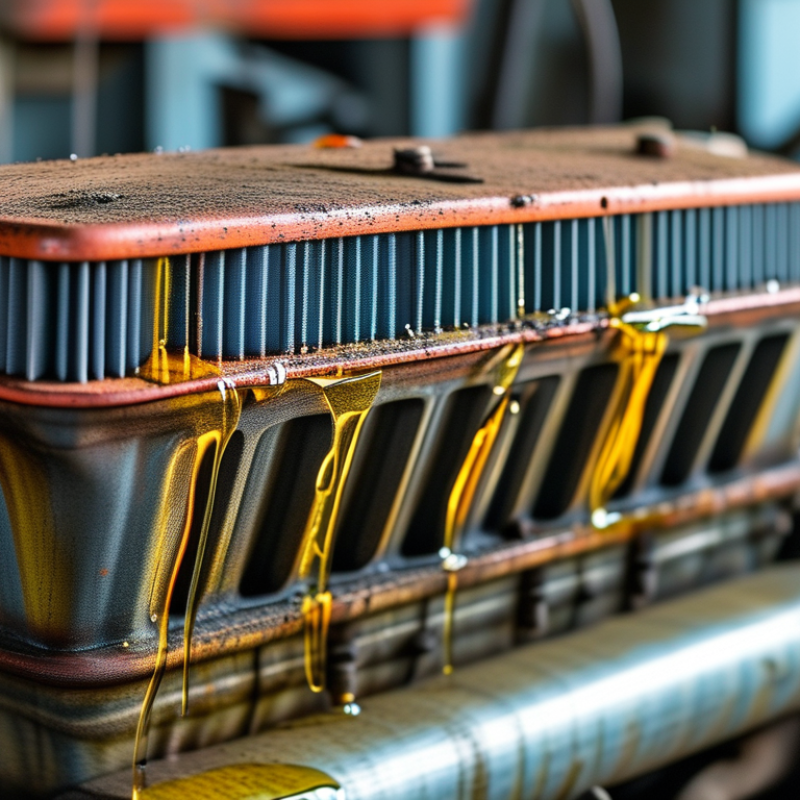
How to Identify Why Oil is Appearing in My Engine Air Filter?

Understanding the Role of the Engine Air Filter in Your Vehicle

The engine air filter serves a crucial role in your vehicle's performance. It prevents dust, dirt, and other debris from entering the engine. A clean air filter improves fuel efficiency and enhances engine longevity. Frequent check-ups are important. Neglect can lead to serious issues.

Oil appearing in your engine air filter indicates possible problems. It could signal a failing PCV valve or wear in engine components. Both can lead to increased oil consumption and poor engine efficiency. If unchecked, this can become a costly repair.

Inspecting your air filter regularly can unveil hidden issues early. Look for oil residue or excessive dirt. These signs warrant further investigation. It's essential to maintain the filter, as it regulates airflow and protects sensitive engine parts. Ignoring this can lead to a buildup of harmful substances.

Common Causes of Oil Accumulation in Engine Air Filters

Oil accumulation in engine air filters can lead to performance issues and even severe engine damage. Understanding the common causes is crucial. One reason for oil in your air filter could be excessive blow-by gas. This occurs when combustion gases escape past piston rings due to wear. A report by the Society of Automotive Engineers indicates that engine wear can influence blow-by levels, directly leading to oil entering the air filter.

Another factor is a malfunctioning Positive Crankcase Ventilation (PCV) system. This system reroutes gases back into the intake. If it fails, it may allow oil vapor to accumulate in the air filter. Research from the Automotive Engineers Association highlights that improper PCV function can contribute to increased oil consumption and filter saturation.

Regular maintenance is essential. Check your PCV valve often. Ensure your engine is free from excessive wear and tear. Monitoring oil levels and engine performance can prevent issues. Pay attention to unusual smells or smoke, as these may indicate underlying problems. Maintaining your vehicle's health is vital for longevity.

Signs Indicating Oil Presence in Your Engine Air Filter

Oil presence in your engine air filter can signal various issues. Identifying these signs early can save you from costly repairs. Common indicators include an oily residue on the filter itself and a noticeable decrease in engine performance. Reports indicate that engines can lose up to 30% of their efficiency when air filters are contaminated with oil.

It's important to be observant. Check for any unusual sounds from the engine, as they may indicate poor filtration. Additionally, a burning smell or excessive exhaust can accompany the issue. These signs suggest that oil might be leaking into the air intake system. Regular inspection is essential for maintaining engine health.

Remember to clean or replace your air filter periodically. A clean filter improves airflow and engine performance. Consider using high-quality filters recommended in automotive maintenance guidelines. Over time, neglecting the air filter can lead to more serious engine problems. Being proactive can significantly extend your engine's lifespan.

How to Identify Why Oil is Appearing in My Engine Air Filter? - Signs Indicating Oil Presence in Your Engine Air Filter
Signs of Oil Presence Potential Causes Possible Consequences Recommended Actions
Oil-coated air filter Worn piston rings Reduced engine efficiency Inspect and replace piston rings
Surging or rough idle Valve guide wear Engine misfires Check valve guides and replace if necessary
Oil spots near the air intake Blown head gasket Coolant mixing with oil Replace head gasket and check coolant system
Excessive oil consumption Overfilled oil Potential engine damage Drain excess oil and inspect for leaks

Step-by-Step Diagnosis of Oil Contamination in Air Filters

Identifying oil contamination in your engine air filter can seem daunting, but a structured approach makes it manageable. Begin by examining your air filter for excessive oil. If you notice a thick layer of oil, this indicates a more significant issue. Common culprits include a failing crankcase ventilation system or valve cover gasket leaks, both of which can allow oil vapors into the air intake.

It's beneficial to regularly check your engine oil levels. Low oil can also indicate leaks elsewhere, leading to oil reaching the filter. If your vehicle displays warning lights, pay attention. They often signal issues that require immediate attention. Monitor your oil consumption; if it's unusually high, further investigation is needed. This could range from internal engine failures to the possibility of worn piston rings.

Checking for fluid leaks under your vehicle can provide insight into the source of the oil. Keep an eye out for dark spots on your driveway or garage floor. These indicate specific leak locations and problems that may need professional evaluation. When seeking solutions, consult reputable automotive resources or qualified mechanics to ensure accurate diagnosis. Remember, understanding your vehicle's needs is critical for long-term health and performance.

Preventive Measures to Avoid Oil in Engine Air Filters

Oil in your engine air filter can indicate several underlying issues. One common reason is a faulty positive crankcase ventilation (PCV) system. If this system fails, it may allow engine oil vapors to enter the intake. Regularly check the PCV valve for blockages. A clogged valve can lead to oil accumulation in the air filter.

Another factor to consider is engine wear. Worn piston rings can cause oil to bypass and enter the combustion chamber. This situation could lead to increased oil consumption and fouled air filters. Monitor your oil levels frequently and pay attention to any unusual consumption.

Preventive measures can help avoid oil in your air filter. Regular engine maintenance is crucial. Changing the oil at prescribed intervals can keep your engine running smoothly. Additionally, inspect the air filter regularly for signs of oil contamination. If you notice oil, check the mechanical components immediately. Preventive actions can save you from costly repairs down the road.

Oil Presence in Engine Air Filters: Analysis and Preventive Measures

This bar chart illustrates the frequency of various causes leading to oil presence in engine air filters. Preventive measures can be taken by addressing the most common issues, such as ensuring the engine condition is optimal and avoiding overfilling oil.

FAQS

: What causes oil to accumulate in engine air filters?

: Common causes include excessive blow-by gas and a malfunctioning PCV system.

How does excessive blow-by gas happen?

It occurs when combustion gases escape past piston rings due to wear.

Why is monitoring the PCV system important?

A failing PCV system can allow oil vapor to enter the air filter.

What should I do if I notice oil in my air filter?

Inspect the air filter for excessive oil and check for leaks.

How can I identify oil contamination in my engine?

Check for a thick layer of oil and monitor engine oil levels regularly.

What maintenance can prevent oil in my air filter?

Regularly check the PCV valve and change the oil as needed.

What unusual signs should I look for in my engine?

Pay attention to unusual smells or smoke, as they indicate problems.

How often should I check my engine oil levels?

Check oil levels frequently to avoid potential leaks and issues.

What can high oil consumption indicate?

It may signal internal engine failures or worn piston rings.

How can I detect fluid leaks under my vehicle?

Look for dark spots on the ground; these suggest possible leak locations.

Conclusion

In understanding the inquiry "why is oil appearing in my engine air filter," it's important to first recognize the function of the engine air filter, which is to trap contaminants and ensure clean air for optimal engine performance. Common reasons for oil accumulation may include issues such as a malfunctioning positive crankcase ventilation (PCV) system, worn piston rings, or turbocharger problems.

Individuals may notice various signs indicating oil presence, including a dirty air filter or oil residue on the filter's surface. Diagnosing oil contamination involves a systematic approach, starting with visual inspections and potentially leading to deeper mechanical examinations. To prevent this issue, regular maintenance checks, timely oil changes, and ensuring the integrity of the engine's ventilation systems are essential measures. Taking these steps can help maintain a clean engine air filter and safeguard overall engine health.

Aria

Aria

Aria is a dedicated marketing professional with a deep passion for innovative strategies and a keen understanding of our company's product offerings. With a wealth of experience in the industry, Aria excels at crafting engaging content that highlights the unique features and benefits of our......