Improving fuel efficiency in trucks is crucial for operators looking to cut costs and reduce emissions. Among various strategies, understanding how to improve fuel efficiency in trucks with air filters plays a key role. Air filters directly affect engine performance and, consequently, fuel consumption. A clean, high-quality air filter can enhance airflow, leading to better combustion and efficiency.
Investing time in regular air filter maintenance may seem minor, but it greatly impacts fuel economy. Many truck owners overlook this important aspect. They often ignore how a clogged air filter can lead to wasted fuel and increased operational costs. Awareness of these details can empower truck drivers to make informed decisions.
Choosing the right air filter type is essential. A premium filter can offer significant benefits compared to a standard option. While some may question the initial investment, the long-term savings in fuel expenses justify it. Ultimately, optimizing air filters can be one of the best ways to enhance overall fuel efficiency in trucks, creating a ripple effect of benefits for operators and the environment.
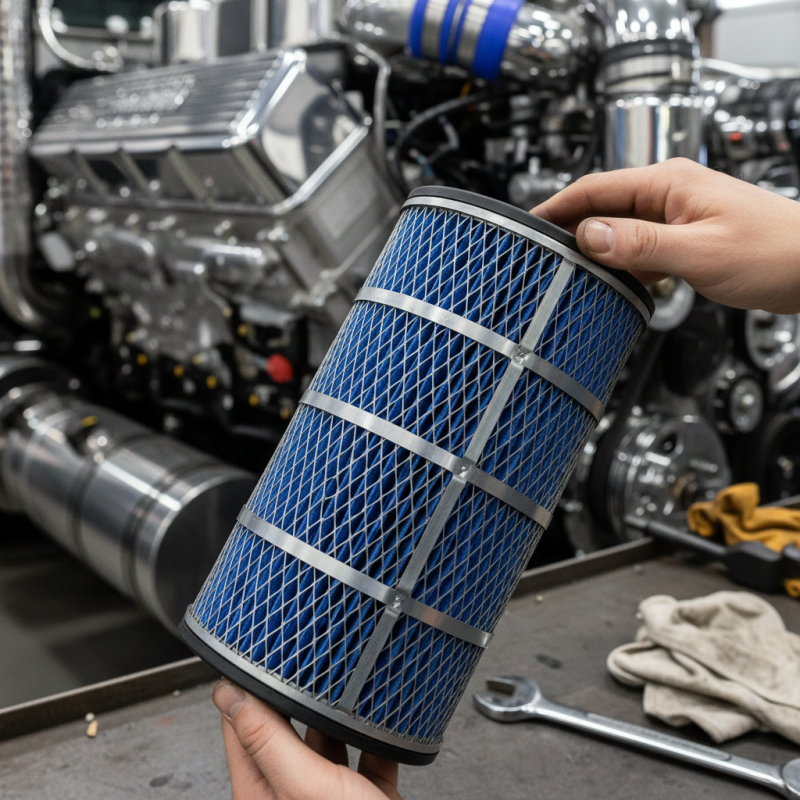
Air filters play a crucial role in enhancing fuel efficiency for trucks. A well-maintained air filter ensures that the engine receives clean air, which is essential for optimal combustion. According to the U.S. Department of Energy, a dirty air filter can reduce engine performance by up to 10%. This reduction in performance can lead to increased fuel consumption, negating any savings on fuel costs.
Tips for maintaining air filters include regular inspections and replacements. A routine check every 15,000 miles is recommended to ensure filters are clean. Additionally, consider using high-performance filters that can enhance airflow while still filtering out particles effectively. However, some truck owners may overlook this, thinking cost outweighs benefits.
Ensuring your air filter is in optimal condition can improve your truck’s fuel efficiency. Research indicates that trucks with clean air filters can improve fuel economy by up to 14%. Despite this data, many drivers ignore air filter maintenance, leading to increased operational costs. A small investment in air filter care can significantly boost overall performance and fuel savings. Ignoring this simple maintenance item can reduce long-term efficiency and profitability.
: Air filters ensure the engine receives clean air, essential for optimal combustion and fuel efficiency.
A dirty air filter can reduce engine performance by up to 10%, leading to higher fuel consumption.
It's advisable to inspect and possibly replace air filters every 15,000 miles or based on driving conditions.
Ignoring maintenance can lead to increased operational costs and decreased fuel efficiency over time.
Yes, clean air filters can enhance fuel economy by up to 14%, providing significant savings.
Look for high-performance filters that enhance airflow and filter out particles effectively.
Many believe the cost of maintenance outweighs the potential benefits, but this is often a miscalculation.
Regular replacement supports proper combustion, leading to improved engine performance and longevity.
Yes, neglecting air filters can lead to increased emissions and reduced environmental performance.
Many overlook the importance of air filters in maintenance, potentially costing them more in the long run.
This article explores how to improve fuel efficiency in trucks with air filters, highlighting their essential role in truck performance. It begins by explaining the function of air filters, emphasizing their impact on engine efficiency and longevity. The piece further discusses the benefits of maintaining clean air filters, linking them to enhanced engine performance and reduced fuel consumption.
Additionally, it outlines optimal air filter types for diesel trucks that can significantly enhance fuel economy. Routine maintenance, including the recommended frequency of air filter replacements, is addressed, showcasing the long-term benefits of regular upkeep. Finally, the article presents fuel efficiency statistics, illustrating how properly maintained air filters can positively influence mileage in commercial trucks, ultimately underscoring their importance in maximizing fuel savings.

 Fisc Auto