Maintaining optimal performance in industrial engines relies heavily on effective air filtration. Understanding how to clean a reusable air filter for industrial engines is essential for longevity and efficiency. A clean filter ensures that contaminants do not interfere with the engine's operation, reducing potential breakdowns and enhancing fuel efficiency.
Knowing the best practices for cleaning these filters can prevent costly downtime. It raises questions about technique, frequency, and the tools required. Many users encounter challenges during the cleaning process, often leading to frustration and inconsistent results. This guide will provide straightforward methods that are trustworthy and tested in the field.
However, not all cleaning techniques produce the same results. Some methods may require more time and effort, while others might not meet your expectations. Reflecting on your approach can help improve your technique and overall maintenance routine. Getting it right means understanding the unique needs of your industrial engine and its filter system.
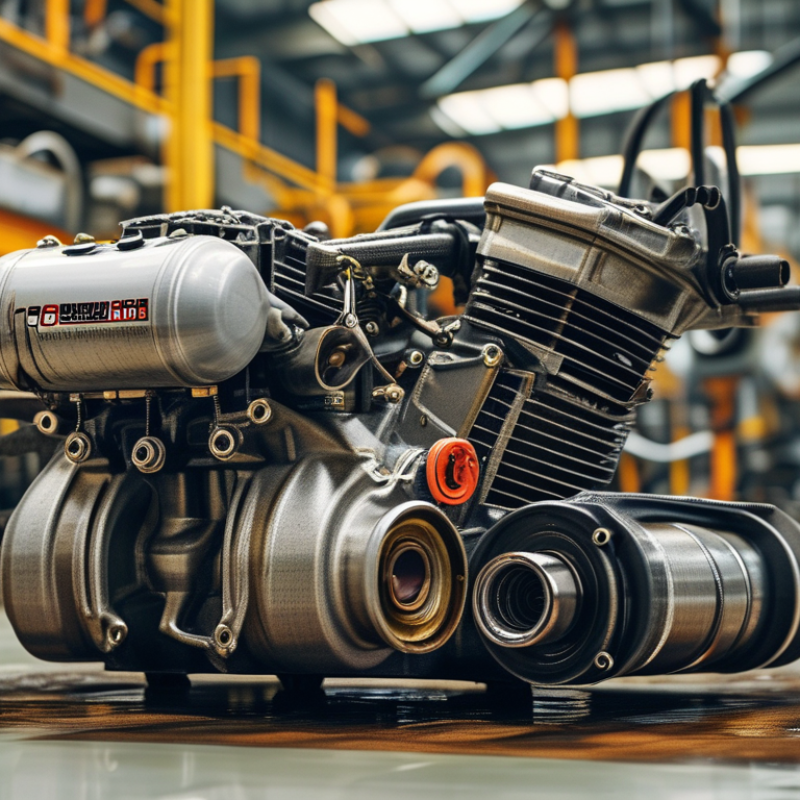
When it comes to industrial engines, choosing the right reusable air filter is crucial. Various types of filters cater to different needs. Pleated filters stand out for their high dirt-holding capacity. Their design maximizes surface area, improving airflow while trapping particles effectively. Another option is the foam filter, which excels in environments where larger debris is present. Foam’s ability to be washed and reused makes it a practical choice.
Electrostatic filters utilize static electricity to capture dust and allergens. They often require less maintenance than other types but may not be suitable for all engine applications. Some industrial settings benefit from metal mesh filters, known for their durability and resistance to corrosion. These filters can withstand harsh environments, but they may not filter out fine particles as efficiently.
It's essential to assess the operating conditions before selecting a filter type. Many industries overlook this step, leading to inefficiencies. Poor filter choices can result in increased maintenance costs and decreased engine performance. Regular monitoring and replacement are vital for optimal functioning. A thorough understanding of filter types ensures better long-term results and performance in industrial engines.
Cleaning air filters regularly is vital for the efficiency of industrial engines. Dirty filters restrict airflow, leading to poor engine performance. When air cannot circulate properly, the engine works harder, increasing fuel consumption. This can result in higher operational costs and unnecessary wear on components.
Understanding the cleaning methods is essential. Some methods may require careful handling to prevent damage to the filter. Overly aggressive cleaning can shorten the filter's lifespan. Submerging the filter in water may seem effective, but it can trap debris. Instead, using compressed air or a gentle wash will yield better results.
Regularly monitoring the condition of your air filter can save time and resources. Many users overlook the importance of consistent maintenance. A neglected air filter can lead to bigger engine problems down the road. Awareness of these challenges allows for a proactive approach, enhancing engine longevity and performance.
Cleaning reusable air filters for industrial engines is essential for optimal performance. This step-by-step guide will help ensure your filters work efficiently. Begin by disconnecting the filter from the system. Safety is key—always wear gloves and goggles when handling filters and cleaning solutions.
Rinse the filter with water. Use a gentle stream to avoid damaging the material. For stubborn debris, a soft brush can help. Be careful not to apply excessive pressure. A balanced approach is essential. Over-scrubbing can result in wear and tear.
After rinsing, allow the filter to dry completely. This step is crucial. Moisture can lead to mold growth. Once dry, apply a suitable cleaning solution, following the manufacturer’s instructions. Remember, not all solutions are created equal. Test a small area first.
Here are a few tips: always read the label of cleaning products. Ensure they are safe for your filter material. Also, consider your engine type; some engines may have specific requirements. Regular cleaning intervals can improve air quality and engine efficiency. Keep track of your maintenance schedule to prevent issues down the line.
Cleaning a reusable air filter for industrial engines requires specific tools and materials. A vacuum cleaner with a brush attachment is essential. This helps remove dust and debris without damaging the filter. Using a soft-bristle brush is critical as well. It targets the tough-to-reach bends and crevices. An air compressor can assist in blowing away stubborn particles too.
According to a report by the International Journal of Environmental Science and Technology, using the right tools increases filter lifespan by up to 30%. This improved longevity reduces costs and minimizes downtime. Warm, soapy water is effective for soaking filters. It loosens grime, which a gentle rinse can wash away. However, some filters may degrade if exposed to harsh chemicals. Regular maintenance ensures optimal performance. Yet, many overlook the importance of using appropriate cleaning materials.
It’s essential to handle filters carefully. Excessive force can lead to tears or reduced functionality. Some users report varying results; filters can appear clean but still harbor contaminants. Investing time in thorough cleaning is beneficial. Doing so creates a better working environment and enhances engine efficiency. Ignoring these aspects can lead to costly repairs and environmental hazards.
Cleaning a reusable air filter is crucial for industrial engines. Improper cleaning can lead to significant operational issues. Many workers forget to wear protective gear. This oversight can expose them to harmful particles. It's vital to follow safety protocols while handling filters. According to industry reports, nearly 30% of engine performance issues stem from neglected air filters.
Another common mistake is using the wrong cleaning solutions. Harsh chemicals can damage filter materials. It’s recommended to use mild detergents specifically designed for filters. Some filters require specific pressure settings during cleaning. Ignoring these specifications can cause irreparable damage. A study shows that 15% of maintenance costs can be attributed to improper filter care.
Additionally, many technicians overlook the importance of adequate drying time. Filters need to be completely dry before reinstallation. Moisture can lead to mold growth and block airflow. This not only affects performance but can shorten the filter’s lifespan. Regular training on best practices can significantly reduce these errors and enhance engine efficiency.
| Method | Description | Common Mistakes to Avoid |
|---|---|---|
| 1. Vacuuming | Use a vacuum cleaner to remove loose dirt and dust. | Avoid using a vacuum that is too strong, which can damage the filter. |
| 2. Rinsing with Water | Rinse the filter with water to remove remaining particles. | Ensure the water is not too hot, as it may deform the filter. |
| 3. Gentle Scrubbing | Use a soft brush to scrub off any stubborn dirt. | Do not use abrasive brushes, as they can cause damage. |
| 4. Using Mild Detergent | Soak the filter in a solution of mild detergent and water. | Avoid harsh chemicals that can degrade the filter material. |
| 5. Air Drying | Let the filter dry completely before reinstalling it. | Do not rush the drying process by using heat sources. |
| 6. Checking for Damage | Inspect the filter for any tears or damage after cleaning. | Neglecting to check for damage can lead to poor engine performance. |
| 7. Regular Cleaning Schedule | Set a regular schedule for cleaning the filter. | Cleaning too infrequently can lead to increased engine strain. |
| 8. Proper Usage of Tools | Use the right tools for cleaning without damaging the filter. | Using incorrect tools can lead to ineffective cleaning. |
| 9. Reinstalling Correctly | Ensure the filter is properly reseated in its housing. | Improper reinstallation can cause leaks and reduce efficiency. |
| 10. Disposing of Irreparable Filters | Identify when a filter is beyond cleaning and needs replacement. | Continuing to use damaged filters can harm engine performance. |
: Common types include pleated filters, foam filters, and electrostatic filters. Each suits different environments.
Pleated filters have a high dirt-holding capacity. Their design improves airflow while effectively trapping particles.
A vacuum cleaner with a brush attachment is essential. A soft-bristle brush and air compressor can help too.
Using proper tools can increase a filter's lifespan by up to 30%. This reduces costs and improves efficiency.
Harsh chemicals can degrade filter materials. It's best to use mild detergents specifically designed for filters.
Moisture can lead to mold growth, block airflow, and shorten the filter’s lifespan. Complete drying is crucial.
Protective gear is vital to avoid exposure to harmful particles. Neglecting this can pose health risks to workers.
Yes, certain filters require specific pressure settings during cleaning. Ignoring these can cause irreparable damage.
Regular monitoring is essential for optimal functioning. Many industries overlook this, leading to inefficiencies.
Filters might appear clean yet still contain harmful particles. Thorough cleaning is essential for effective performance.
Cleaning reusable air filters for industrial engines is crucial to maintaining optimal performance and efficiency. This article outlines the various types of reusable air filters, emphasizing the significance of regular cleaning to prevent engine damage and ensure longevity. Readers will find a comprehensive step-by-step guide on how to clean a reusable air filter for industrial engines, detailing necessary tools and materials for effective cleaning.
Additionally, the article highlights common mistakes to avoid during the cleaning process, ensuring that users can perform the task efficiently and safely. By following these guidelines, industrial engine users can enhance their equipment's performance while prolonging the lifespan of their air filters.

Fisc Auto